Meet the speakers!
-
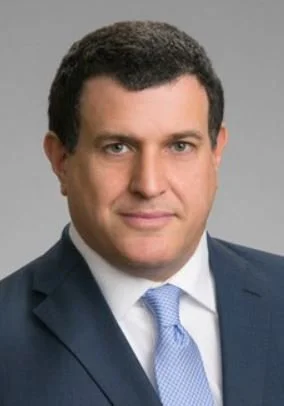
Kristin R. Di Bona is CEO and Co-Founder of Wyonics LLC, a scientific start-up with the mission to develop and implement sustainable solutions to economic and environmental problems. Her research spans ionic liquids, biochemistry, and nanomaterials, with emphasis on separations, materials development, and instrumentation. Through Wyonics, she advances sustainable technologies, securing DOE funding for rare-earth element separation, the development of new materials, and advanced instrumentation platforms for nano- and microanalysis. In addition to her roles at Wyonics, Dr. Di Bona serves as chair-elect of the Division of Small Chemical Business (SCHB) of the American Chemical Society, is an officer of the Wyoming Local Section, and holds an Adjunct Professor of Chemistry position at the University of Wyoming.
-
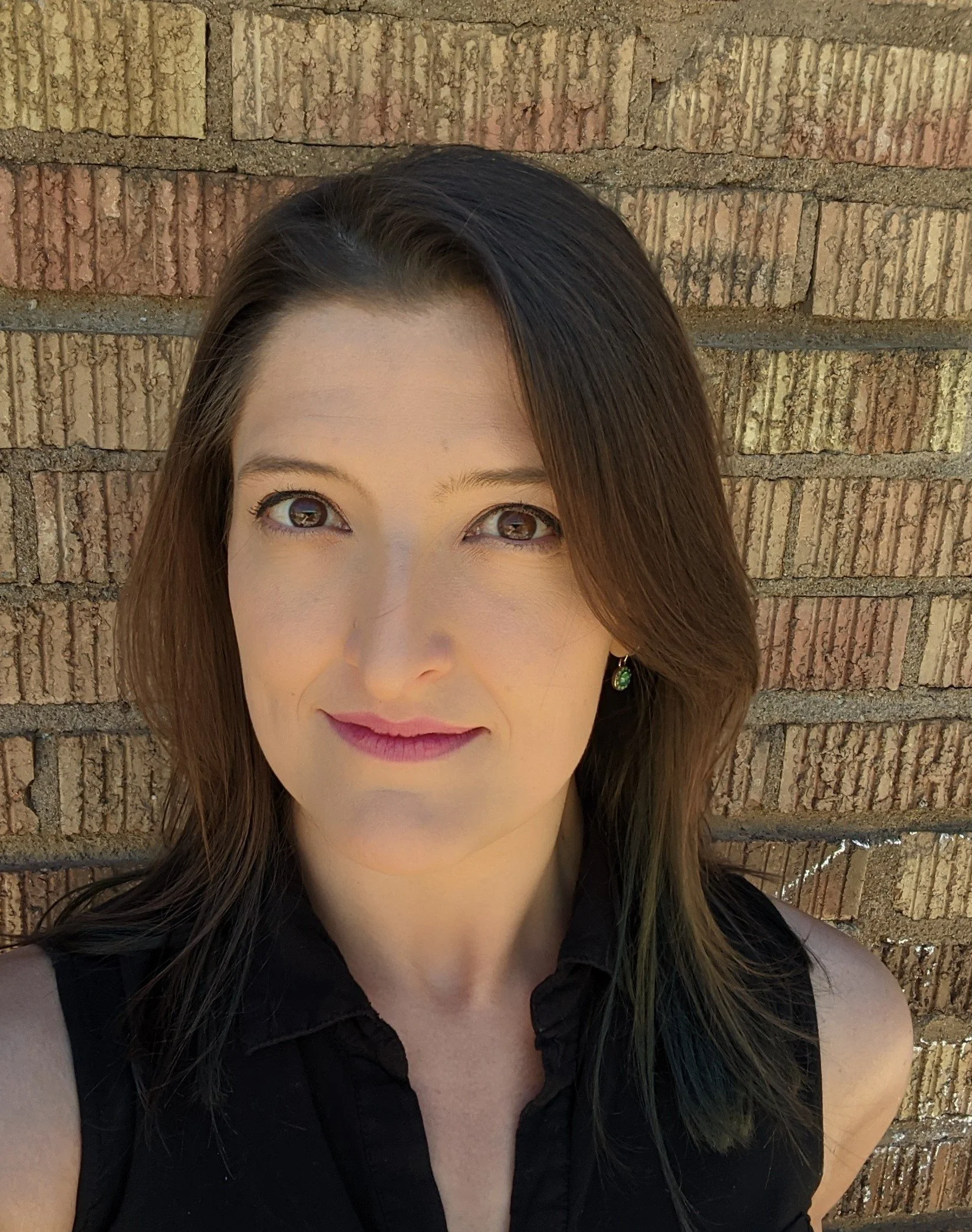
John-Paul Cherry received his undergraduate degree from UCLA before earning his doctorate from MIT under the advisement of Prof. Christopher C. Cummins. His Ph.D. work focused on the synthesis and characterization of unusually reactive transition-metal complexes and on the development of innovative methods for organic and inorganic synthesis. Outside the lab, John-Paul pursued his own entrepreneurial interests by establishing multiple technology companies, including inventions such as implantable medical devices and several consumer products. He now uses this unique insight and experience to help other inventors do just the same, providing them with a robust patent portfolio that suits both their business and legal needs. At Patterson+Sheridan LLP, John-Paul brings a combination of vast legal knowledge, technological expertise, and entrepreneurial insight to his practice, ranging from developing worldwide patent portfolios to advising clients on complex corporate transactions.
-
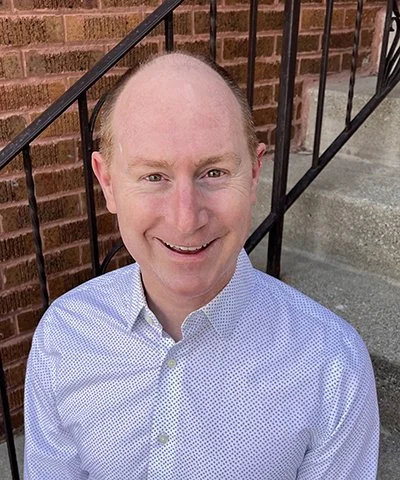
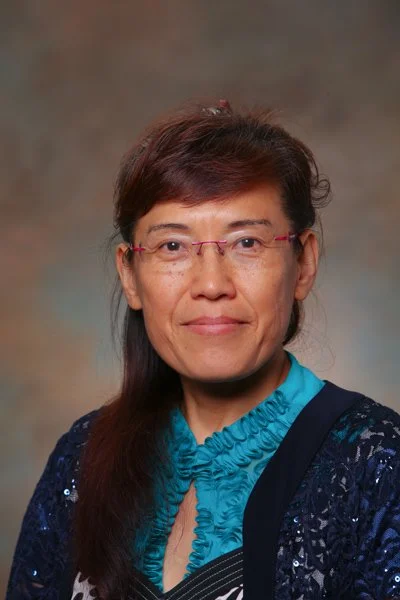
Song Lin grew up in Tianjin, China. After earning a B.S. from Peking University in 2008, Song pursued graduate studies at Harvard University, working with Eric Jacobsen. He then conducted postdoctoral research with Chris Chang at UC Berkeley. In 2016, Song started his independent career at Cornell University, where he is currently a Tisch University Professor. Song has received several early-career awards, including the Sloan Fellowship, ACS Cope Scholar, National Fresenius Award, Cottrell Scholar Award, Camille Dreyfus Teacher-Scholar Award, MIT Technology Review Innovators Under 35, BMS Unrestricted Grant in Synthetic Organic Chemistry, EPA Green Chemistry Challenge, and Tetrahedron Young Investigator Award. He is currently an Associate Editor at Organic Letters and serves on the Advisory Board of Chem, Synlett, and Tetrahedron, and the Scientific Advisory Board of OWiC Technologies.
The Lin Laboratory’s research lies at the interface between electrochemistry and organic chemistry. The main objective is to use fundamental principles of electrochemistry and radical chemistry to discover new organic transformations and uncover new reaction mechanisms.
-
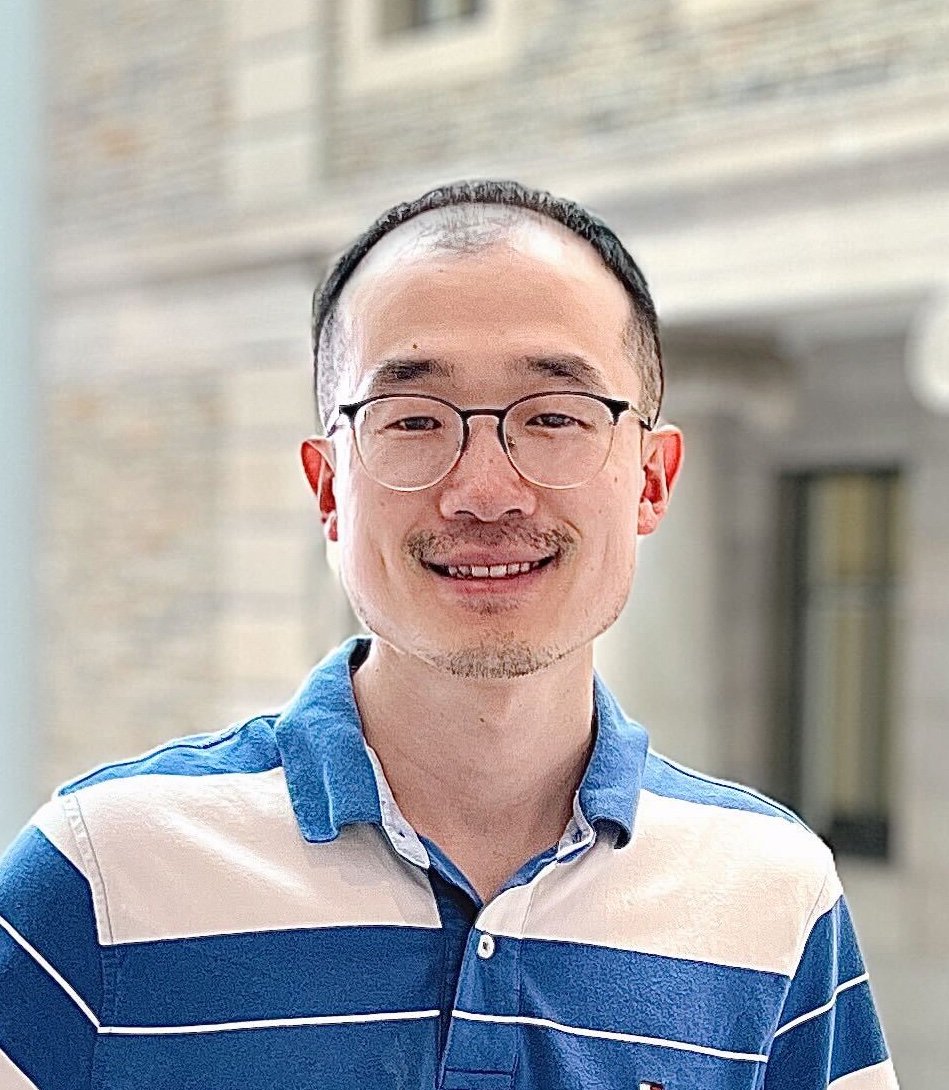
Tom G. Driver is the Robert K. Boeckman Jr. and Mary H. Delton Family Distinguished Professor in Organic Chemistry at the University of Rochester. He earned his B.S. in Chemistry from Indiana University, Bloomington, in 1999, and his Ph.D. from the University of California, Irvine, under the mentorship of K. A. Woerpel. After an NIH-funded postdoctoral position at Caltech with John E. Bercaw and Jay A. Labinger, he began his independent academic career at the University of Illinois Chicago in 2006.
In 2025, Tom and research group moved to the University of Rochester. His group's research program focuses on developing synthetic methodologies, conducting mechanistic studies, and advancing drug discovery and development. The Driver group focuses on the discovery of distinct reactivity patterns of N-aryl- and N-alkenyl divalent nitrogen reactive intermediates and non-carbonyl-stabilized metal carbenes, to both advance understanding of these reactive species and leverage their reactivity to create new bonds in privileged N-heterocyclic and carbocyclic scaffolds. These new bond-forming reactions can be used to create novel modulators of NAMPT, an important enzyme in the NAD salvage pathway, for the treatment of pulmonary arterial hypertension, stroke, and Alzheimer’s disease, and in 2019, Tom and his collaborator, Roberto Machado, MD, founded Drax Therapeutics, Inc. to advance their technology. At the University of Rochester, Driver and his group are building on their experiences in synthetic chemistry to develop new reactions to construct C–N, C–C, and C–O bonds, and as an associate member of the Wilmot Cancer Institute, is pivoting to focus on the development of potential cancer therapeutics by collaborating with the Harris and Munger groups.
-
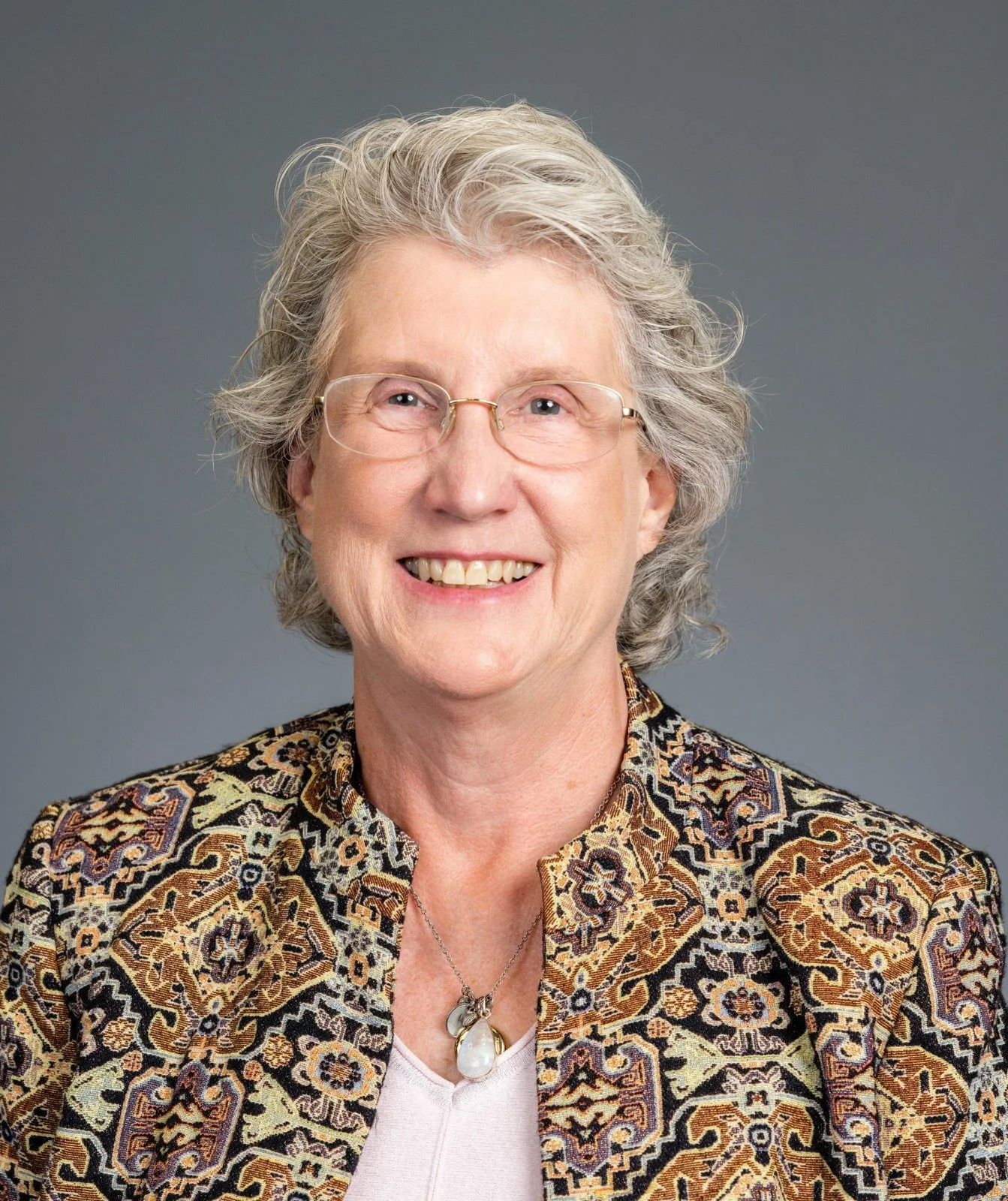
Dr. Arlene Garrison volunteers with the American Chemical Society, the Science Education Research Foundation (SeER, https://scienceeducationresearch.org/), the Southern Appalachian Science Fair (SASEF), the Emory Valley Center (EVC), and her church. She is interested in applying her knowledge of chemistry and electrical engineering through proposal writing and advancing intellectual property.
She retired in May 2020 from her position as vice president of University Partnerships at ORAU. In that role, she enhanced ORAU’s scientific research opportunities and expanded partnerships with universities, national laboratories, and private industry to support increased funding for scientific research and education.Before joining ORAU, Dr. Garrison served as a program director at the National Science Foundation, where she led EPSCoR programs to strengthen research and education in science and engineering across the United States. She has also held several senior leadership positions at the University of Tennessee. She received her doctorate in analytical chemistry and a bachelor’s degree in electrical engineering from the University of Tennessee.
-
Jingbo (Louise) Liu received her Ph.D. in Materials Science and Engineering from the University of Science and Technology Beijing in 2001. She was promoted to full professor at Texas A&M University-Kingsville (TAMUK) for her contributions to materials preparation, characterization, and applications. She is a Chartered Scientist, Chartered Chemist, Fellow of the Royal Society of Chemistry, and DEBI faculty fellow at the US Air Force Research Laboratory. She has authored and co-authored books, book chapters, and peer-reviewed journal articles (> 100). During her 14-year service in TAMUK, she taught > 10,500 students and trained some of them (200) to conduct leading-edge research. She directed and/or participated in projects (> 40) supported by the NSF (US and China), NSERC (CANADA), ACS Petroleum Research Funds, and the Department of Education.
Currently, Dr. J. Liu serves as the ACS ENFL Division Chair (2020), an executive committee member of Sigma Xi, The Scientific Research Honor Society, Texas A&M University, College Station, and an Alternate Councilor of the ACS South Texas Chapter. She co-established a small business, Louise NanoInnovation North American, LLC.

-
Jason Lye is the CEO of Lyco Works Inc. He is a Ph.D. Dye and Pigment chemist, still active in the field and consulting with writing instrument companies, personal care companies, manufacturers, and others on inks, coatings, paints, plastics, and dyes for all kinds of applications.
The company specializes in Intellectual Property management, including patent strategy, technology trajectory, and IP landscape analysis; reading the claims of relevant patents to ensure understanding; and advising your attorneys on what has been captured by your competitors and where there might be openings.
-
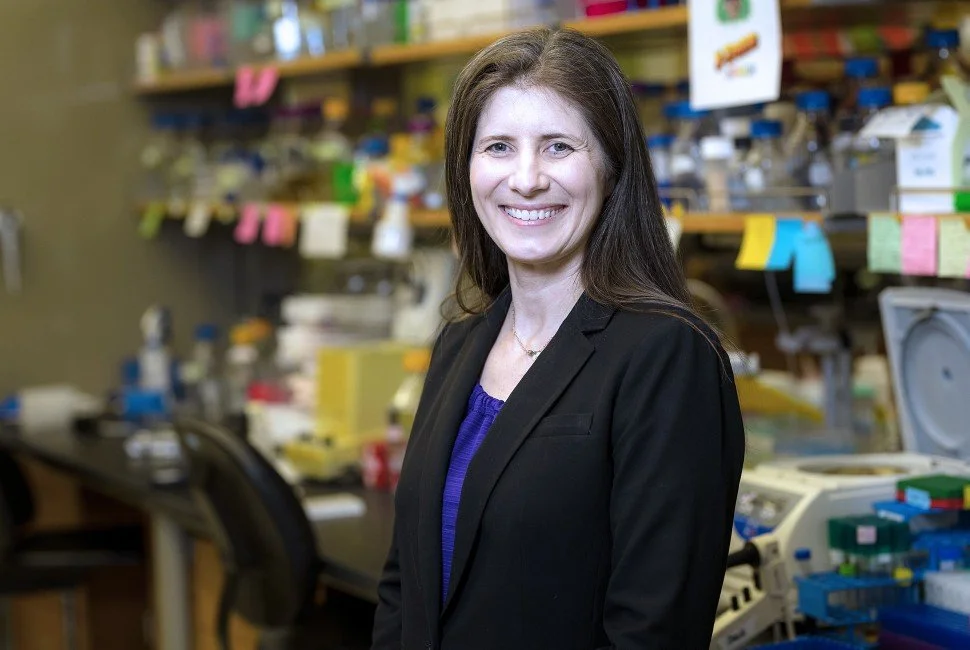
After earning her B.S. degree in chemical engineering, Tullman-Ercek began her Ph.D. at the University of Texas at Austin under the advisor George Georgiou. Her dissertation focused on the pathway bacteria use to transport folded proteins across membranes, and how this pathway may be used in protein engineering applications. She continued her postdoctoral studies at the Joint BioEnergy Institute, working to improve enzymes that break down biomass for more efficient, cost-effective biofuel production.
Tullman-Ercek joined the Department of Chemical and Biomolecular Engineering at UC Berkeley in 2009. Inspired by her previous work, her research group focuses on engineering multi-component systems in biology – such as protein and small molecule secretion machinery and bacterial microcompartments – using tools and techniques from protein engineering and synthetic biology.
When Tullman-Ercek joined the McCormick School of Engineering in 2016, she was promptly directed to the Innovation and New Ventures Office (INVO), where she was told her research on protein secretion might be worth patenting.
Soon after connecting with INVO and filing her first patent application, Tullman-Ercek founded Opera Bioscience, an acronym that stands for Optimized Protein Expression Research and Applications.
Applications for proteins, growth factors, and enzymes from Tullman-Ercek’s lab might include creating affordable, animal-free precursors for products like biofuels for transportation and meat alternatives for companies developing plant-based meat products.
-
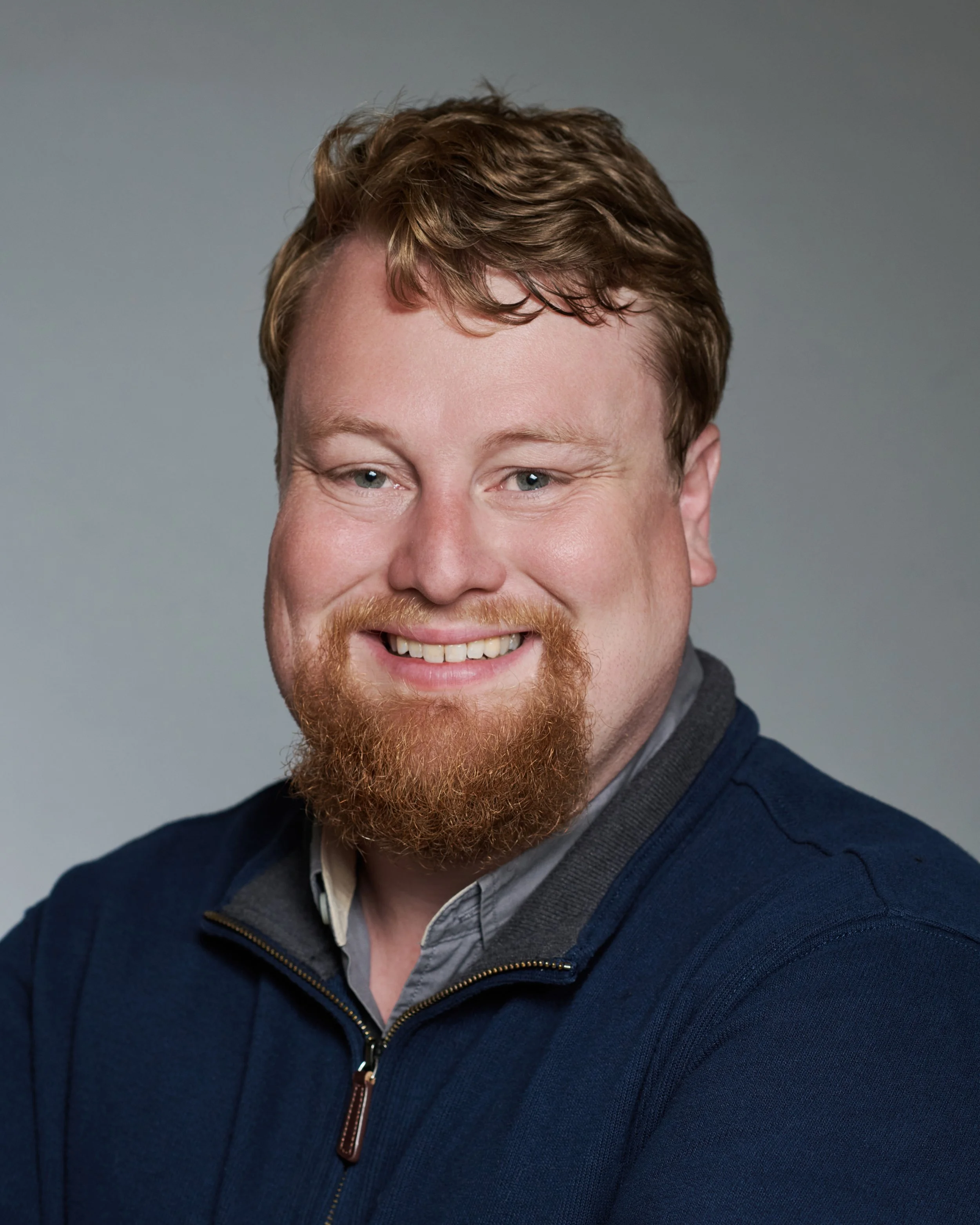
Andy grew up in Grand Rapids, Michigan. After obtaining his BS in Chemistry from Grand Valley State University in 2016, he started his PhD at the University of Rochester, where he focused on C-H bond activation and catalyst design for dehydration reactions. He later worked as a postdoctoral fellow at Rutgers-Netwark, where he developed iron-based catalysts for hydrogen production. With a broad set of skills in synthetic chemistry, Andy is passionate about applying his expertise to green technology applications.